Attorneys don’t request background investigations simply to see whether someone has a criminal record. In many civil cases, that isn’t the information that moves the case forward. The real question is whether the available information is accurate.
Has a party been using the same address for years? Are business affiliations what they appear to be? Does an employment history line up with the facts already established in the case? These are the questions that often build litigation strategy, and they usually aren’t answered by a basic records search.
Effective litigation due diligence is built around verifying facts, not generating a generic report. Depending on the case, investigators may review employment history, business relationships, prior civil litigation, address history, and other publicly available information to help attorneys develop a clearer understanding of the parties involved.
Criminal Records Are Only Part of the Picture
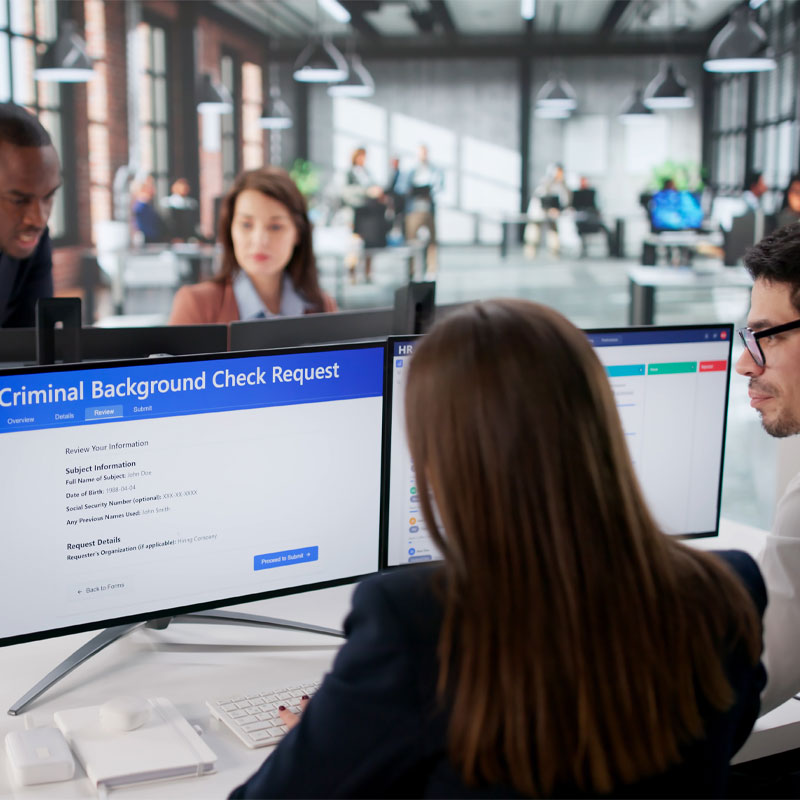
A criminal records search answers one specific question. Civil litigation usually requires answers to several others.
Before filing suit or preparing for the next stage of litigation, California attorneys often need to verify information that supports the facts of the case. That may involve confirming where someone has lived, reviewing employment history, identifying business affiliations, or examining prior civil litigation.
In many cases, those details provide more value than a criminal history alone.
Take almost any civil case. The information attorneys receive at the beginning of a matter isn’t always complete, and it isn’t always accurate. Facts change as litigation progresses. New documents surface. Additional witnesses are identified. Information that initially seemed insignificant often becomes much more important after discovery begins.
Not every investigation uncovers a major issue, and that’s not the expectation. Sometimes the records confirm exactly what the attorney already believed. Other times they reveal information that deserves a closer look. Both give attorneys a stronger foundation for moving the case forward.
What Attorneys Should Verify Before Moving Forward
Every investigation starts with a different question. Sometimes an attorney needs to verify information that has already been provided. Other times the goal is to uncover facts that haven’t surfaced yet. The scope of the investigation depends on the issues in dispute and the information needed to move the case forward.

Is the Information We've Been Given Accurate?
One of the first objectives is verifying the basics. Names, addresses, employment history, business affiliations, and other identifying information aren’t always as straightforward as they appear. Records may be outdated, incomplete, or inconsistent with information gathered.
Taking the time to verify those details early will often prevent larger issues later in the litigation process and reduce unnecessary questions as the case progresses.

Are There Connections We Haven't Identified?
Business investigations frequently uncover relationships that weren’t obvious at the outset of a case. An affiliated business, a shared address, prior business partners, or related litigation may provide additional context that wasn’t apparent from the original file.
Those connections don’t necessarily change the legal issues being argued, but they often help attorneys ask better questions as discovery progresses.

Does the Information Tell the Entire Story?
Public records rarely exist in isolation. Employment history, prior civil litigation, bankruptcy filings, property records, professional licenses, and other sources each provide part of the picture that attorneys rely on throughout the litigation process.
Reviewing those records together often reveals inconsistencies, establishes timelines, or identifies additional investigative leads that deserve closer attention.

What Additional Leads Should Be Explored?
Sometimes a background investigation confirms exactly what everyone expected. Other times it points somewhere new. A previous employer may become an important witness. A business filing may identify another entity involved in the dispute.
An address history may explain why locating someone has become difficult. Those findings often shape the next steps of the investigation rather than bringing it to a close.
Build Your Case on Verified Information
Tristar Investigation provides litigation due diligence and investigative support for attorneys throughout California, helping verify facts, identify relevant connections, and uncover information that supports effective case strategy.
How Due Diligence Supports Litigation Strategy
Background investigations aren’t going to replace discovery, depositions, or other litigation tools. It gives attorneys another source of verified information as the case develops.
Early in a case, an investigation may help confirm basic facts before significant time is invested in discovery. Later in a case, the same investigation may help verify information produced during litigation or raise questions that deserve additional attention.
We’ve also seen investigations become useful when attorneys are preparing for depositions. Knowing more about a party’s employment history, business interests, or prior litigation can help identify topics that deserve a closer look.

The same is true before mediation or trial. By that point, attorneys have gathered a significant amount of information. A background investigation can help confirm that the facts relied upon throughout the case remain accurate and consistent with newly developed evidence.
Every case follows a different path, but background investigations are rarely a one-time event. As new information surfaces, additional investigation often becomes necessary to answer the next set of questions.
Red Flags That May Warrant Further Investigation
Not every case requires an extensive business investigation. However, certain facts often indicate that additional research could be worthwhile before litigation moves much further.
Information Doesn't Match
Conflicting addresses, employment histories, business records, or other public information warrant a closer look before such inconsistencies create larger issues in litigation.
Business Relationships Are Unclear
When ownership structures, affiliated companies, or business partners aren’t immediately clear, additional investigation can help identify relationships that may affect the case.
A Party Has Been Difficult to Locate
Repeated address changes, incomplete records, or conflicting location information may indicate that additional investigative work is needed before service, witness interviews, or other litigation activities continue.
Discovery Raises New Questions
It’s common for investigations to begin after new documents or testimony introduce facts that weren’t known when the case started.
Public Records Leave Gaps
Sometimes the available records simply don’t answer the questions attorneys need answered. That’s often the point where additional investigation becomes valuable.
When the Details Matter, Experience Makes the Difference
Every case presents a different set of questions. Whether you need to verify information before filing suit or investigate new issues that arise during litigation, Tristar Investigation works alongside attorneys to provide reliable investigative support throughout the life of a case.
Why Investigative Analysis Matters in Civil Litigation
Public records are widely available. The challenge isn’t finding information. It’s knowing what deserves attention and what doesn’t.
A single business filing or address record rarely tells the full story. Experienced investigators compare information from multiple sources, establish timelines, and look for inconsistencies that might otherwise be overlooked. Sometimes the records support exactly what the attorney already suspected. Other times they point to questions that weren’t being asked.

That’s where experience matters. At Tristar Investigation, investigations aren’t treated as database searches or generic reports. Every assignment is approached with the goal of answering the specific questions attorneys need resolved. The result is an investigation that provides context, identifies relevant facts, and gives legal teams information they can confidently rely on as the case moves forward.
Frequently Asked Question
How is a litigation background investigation different from a criminal background check?
A criminal background check focuses on criminal history. A litigation background investigation examines a broader range of publicly available information, including address history, employment, business affiliations, civil litigation, property records, and other records that may be relevant to the legal matter.
When should an attorney request a background investigation?
There isn’t a single stage where background investigations are most useful. Some attorneys request them before filing suit, while others use them during discovery, before depositions, or after new information changes the direction of a case.
Can a background investigation identify business relationships?
Yes. Depending on the available records, investigators may identify affiliated companies, corporate filings, ownership interests, registered agents, and other business connections that help attorneys better understand relationships between individuals or entities.
Do California attorneys use background investigations in civil litigation?
Yes. Attorneys throughout California use litigation background investigations to verify information, identify business relationships, review public records, and investigate issues that may affect civil cases. The scope of the investigation depends on the facts of the case and the questions that need to be answered.
What happens if a background investigation uncovers additional issues?
In some cases, the findings lead to additional investigative work, such as business investigations, witness interviews, difficult service of process, or asset investigations. The next step depends on the needs of the case.
Are litigation background investigations useful even if no criminal history exists?
Yes. Many civil matters involve questions that have little or nothing to do with criminal records. Verifying employment, business affiliations, address history, prior civil litigation, and other publicly available information often provides a more complete understanding of the parties involved.
Does Tristar Investigation provide litigation background investigations throughout California?
Yes. Tristar Investigation works with attorneys across California, providing litigation-focused background investigations for a wide range of civil matters. Depending on the case, investigations may include public records research, business intelligence, address history, employment verification, and other investigative services that support litigation.
Litigation Begins With Reliable Information
Whether you’re evaluating a new matter or responding to questions that arise during litigation, Tristar Investigation provides litigation due diligence, investigative support, and specialized investigative services designed specifically for attorneys.